Dahlak archipelagoPersonal travel impressions in stories and pictures from Dahlak archipelago, Eritrea. Click on the pictures to enlarge, send as a free e-card, or download for personal use. You can locate Dahlak archipelago and navigate the world using Google Earth Show on mapLocate Dahlak archipelago on map
N 15° 36.936
Book a hostelBook a budget room in one of the youth hostels in Eritrea Free brochuresOrder your free brochure with offers for travelling to Eritrea Other stories: |
SearchSearch pages at Traveladventures.org Go directly to:Travel picturesYou can travel the world using images - select your preferred language below: MailinglistIf you want to be updated regularly about new stories and pictures: Google EarthClick your way around Eritrea with pictures (needs Google Earth software) Visual GeographyAdvertiseIt is possible to advertise on this travel site. Travel advertisers, ask for more information! SurveyIs there a difference between a traveler and a tourist? View Results Related search: |


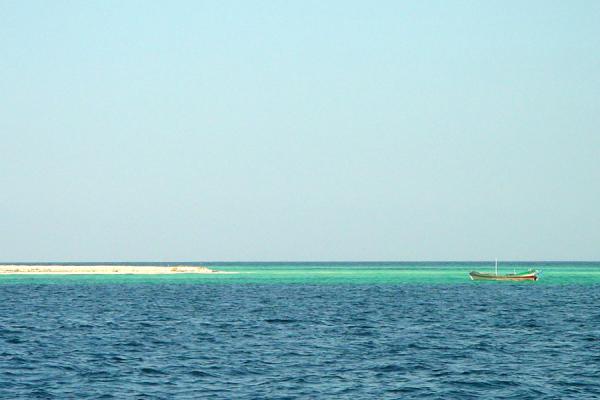
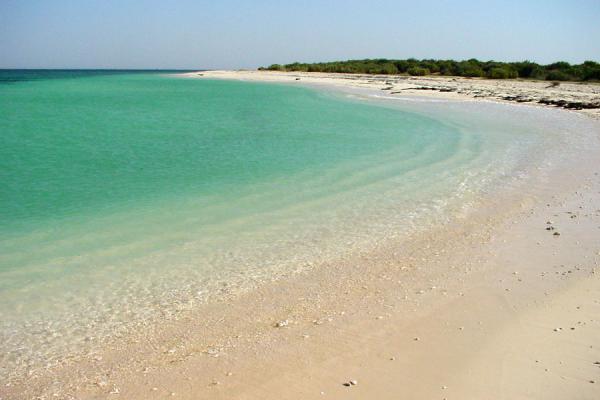
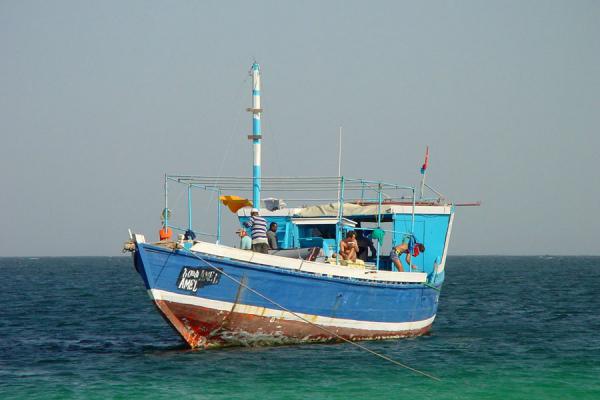
Visiting the Dahlak Archipelago requires some organization to be done. Arriving in Massawa, the main sea port of Eritrea, is only the first step on the way to the islands in the Red Sea. It then requires patience, initiative and some luck to get together a group to set out for the islands. We managed to get together a group large enough for a sambuk, a local fishing boat, and set out for a three day tour. Our first destination was Madote, nothing more than a small strip of sand sticking out of the Red Sea, with marvellous turquiose water around it, and perfect for snorkelling and diving. We soon noted the exceptional amount of colourful fish and live coral in these warm waters.
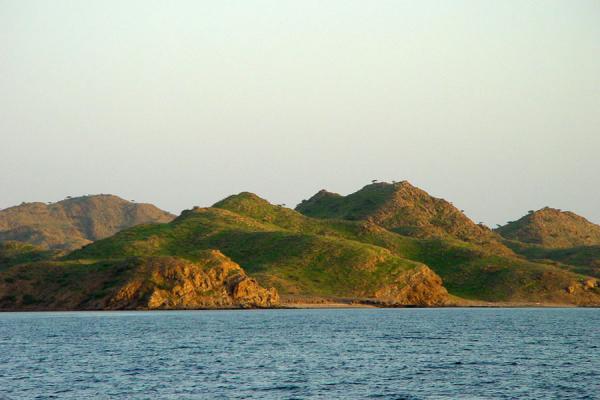
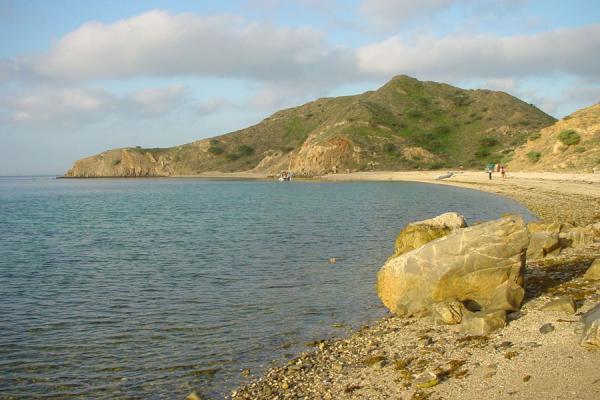
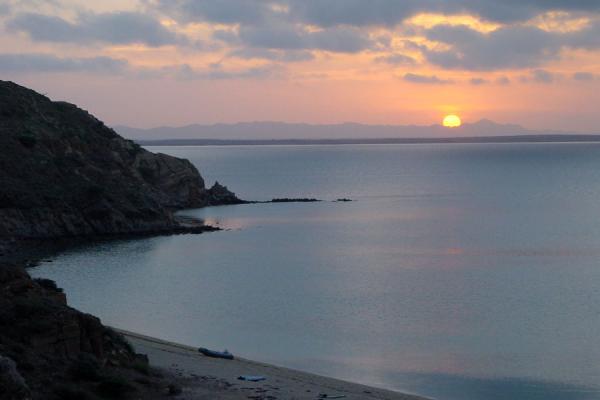
At the end of the afternoon, we anchored off Dissei island. We had dinner on the boat, and then some of us slept on the boat itself, while others put their mattresses on the beach. This was a great bay for a morning swim, before we set out on our way to Shumma island. We passed various other islands, one of them curiously inhabitated by one lonely ostrich. We did some diving and snorkelling on the way, and arrived at Shumma early in the afternoon. There was time for some water activities, exploration of the island, and in the evening we barbecued the fish caught by the brave fishermen on the boat. We gave some water to the only inhabitant of the island, an old men, and wondered how it must be to live on this remote island depending for water on sporadic rainfall and passers-by.
That night, those who slept on the beach were covered with sand, as the wind had started to blow, and the first stretch on the boat was a little rough. Fortunately for everyone, we paused at a small island for some more swimming and snorkelling before returning to Massawa. There, our multinational group of Dahlak explorers broke apart, some of them flying straight back to their jobs in Europe, while others continued for more traveling in Eritrea. We realised how lucky we had been, having had perfect weather in what was suppoed to be the rainy season.


