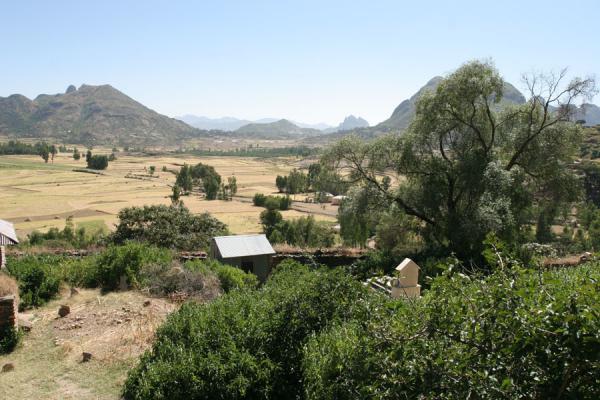
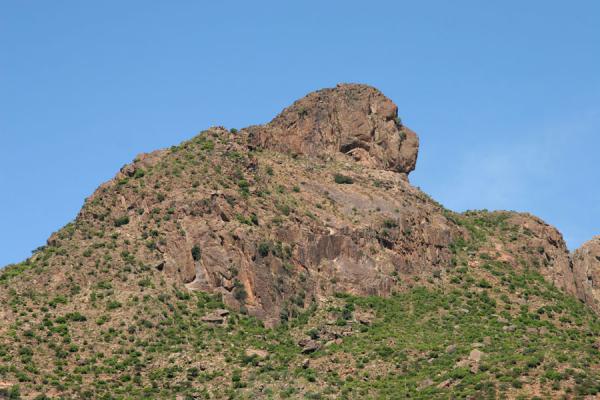
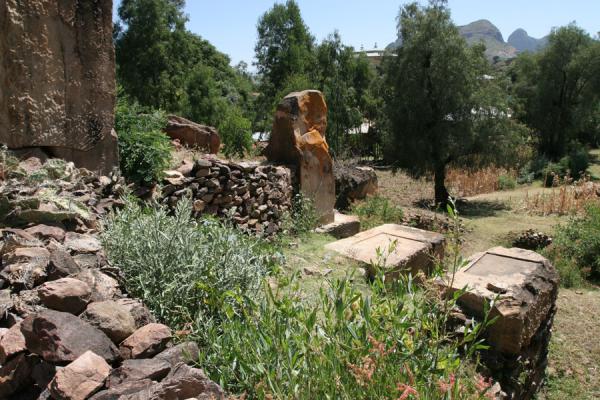
When you enter the village of Yeha, with its stone houses and dusty roads set in a pretty valley in northern Ethiopia, it seems hard to believe that this was one of the major cities of the region. But then again, the heydays of Yeha lie more than 2000 years ago, and a lot has happened since. It predates the Axumite empire, when Yeha was the capital of the Damot empire. By the time Axum achieved its climax, Yeha had already declined in power, and has probably looked much the way it looks nowadays.

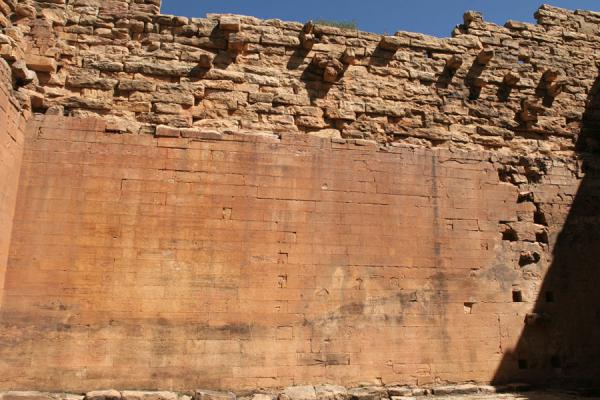
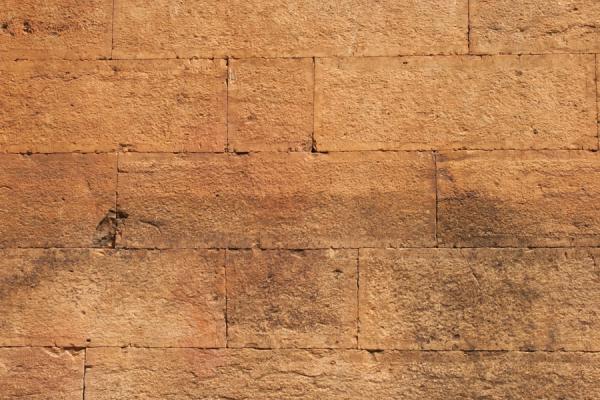
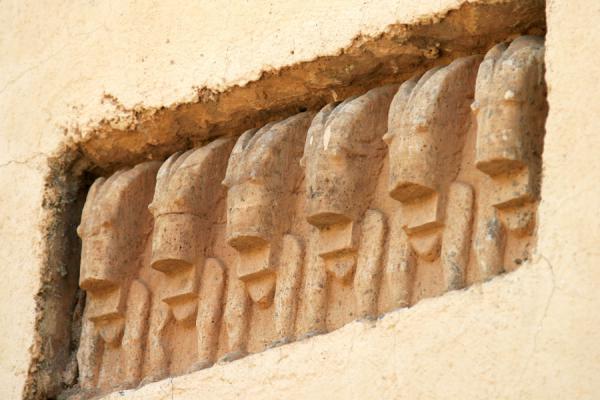
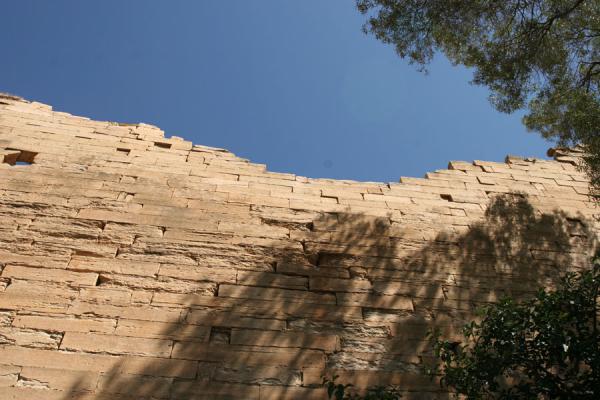
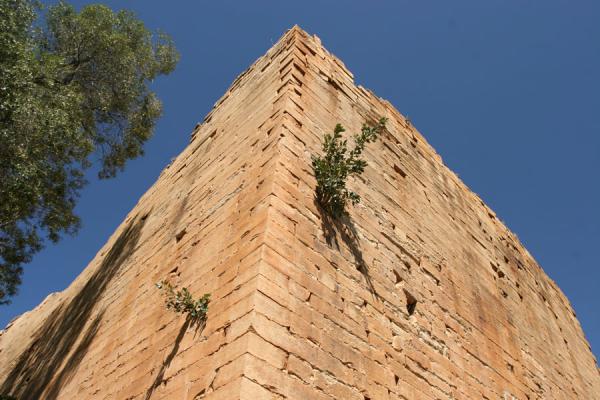
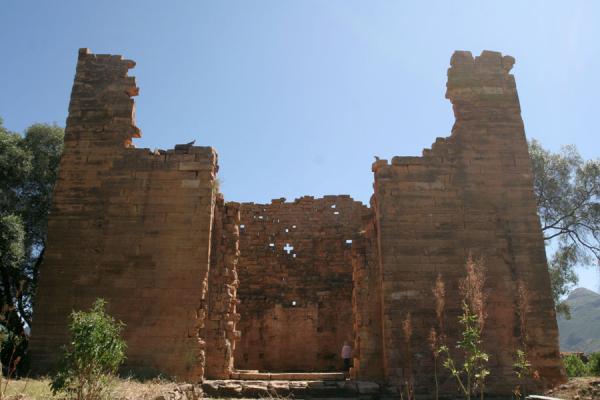
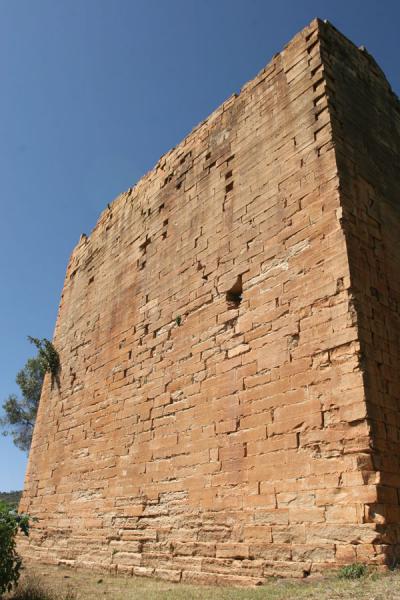
After paying your entrance fee and going through a gate, you have to cross a small cemetery before reaching the ancient temple of Yeha. This is the oldest still standing construction of the country, and it looks very solid indeed. The blocks of stone that perfectly fit on each other and that have held the building for so many centuries without mortar, give a very sturdy impression. It is still not clear what this temple was initially built for, it is thought that the Sabaean civilization built it for their pagan faith, and a deity named Ilmukah. Moreover, finds of statues and engravings suggest some kind of fertility cult.

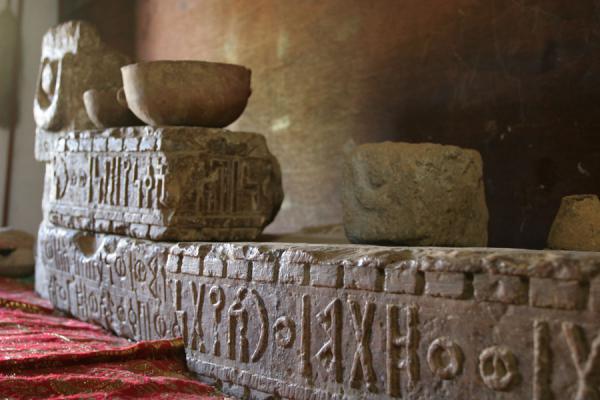
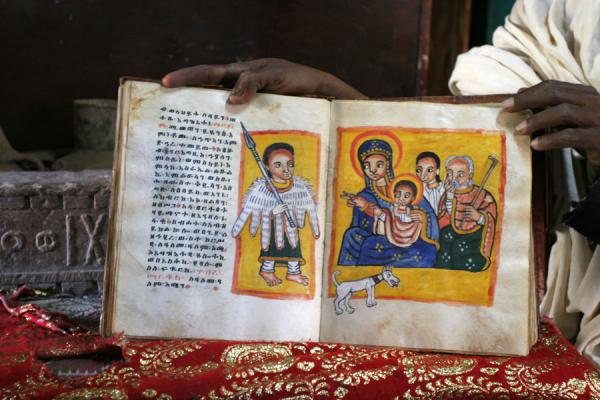
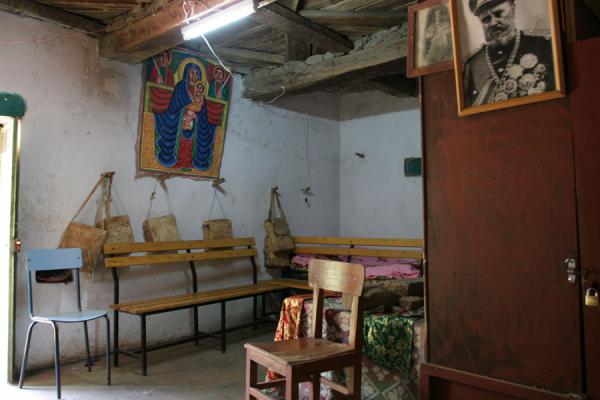
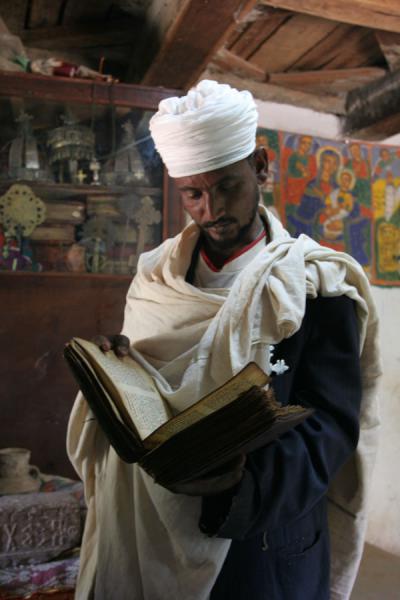
In the 6th century, Abba Afse, one of the so-called Nine Saints, founded a monastery in Yeha, in which some of the stones found in the ancient temple were being used. Unfortunately, the church remained closed to us, but at the same time, we were allowed a visit to the small and charming museum adjacent to the church building. In it, the priest showed us some remarkable slabs of stone with writing in Sabaean and Ge'ez, as well as well-preserved ancient holy books made of goat skin. When he sang some religious songs in Ge'ez, the old Christian language of Ethiopia, the museum got a special atmosphere. Afterwards, we had a peek at Grat Beal Gebri, ruins of an ancient structure with square pillars.

Personal travel impressions both in words and images from Yeha (Ethiopia). Clicking on the pictures enlarges them and enables you to send the picture as a free e-card or download it for personal use, for instance, on your weblog. Or click on the map above to visit more places close to Yeha.
Read more about this site.