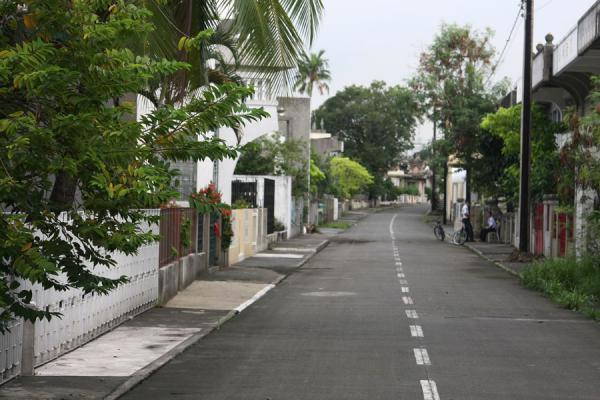
The big street still had all the noise and pollution that can be found in many parts of Manila, but as I turned a corner and walked slightly uphill, the smaller streets had a much friendlier atmosphere. Kids playing outside, an old woman sitting on a chair, a man washing his jeepney: life seemed much more relaxed here. When I reached the entrance gate of the cemetery, I met with a resident who claimed to have been born here, and decided to explore the cemetery with him. That was a good decision: he turned out to be a very knowledgeable guy with a good sense of humour. We agreed on a two hour walk, and my new found friend started to talk enthusiastically about the history of the cemetery.

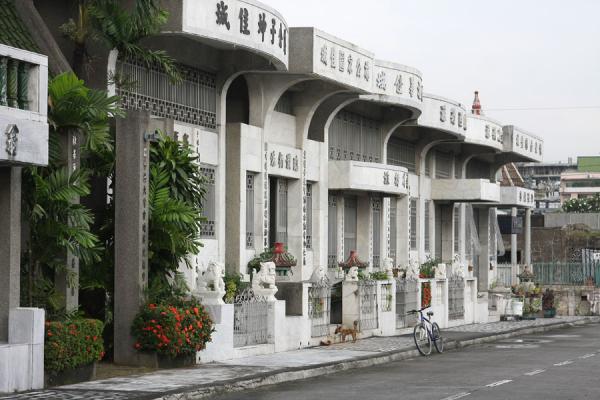
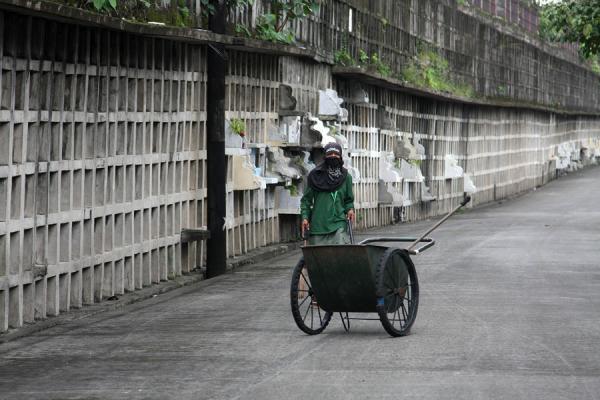
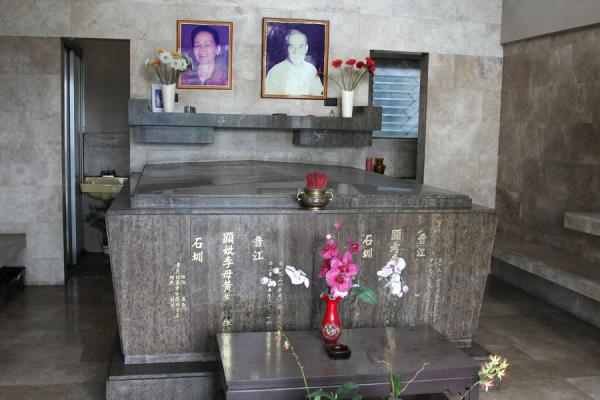
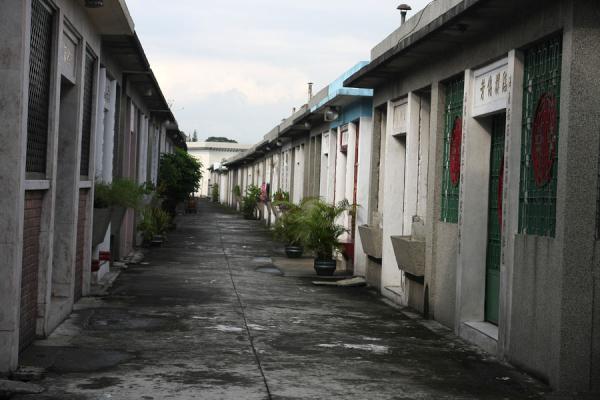
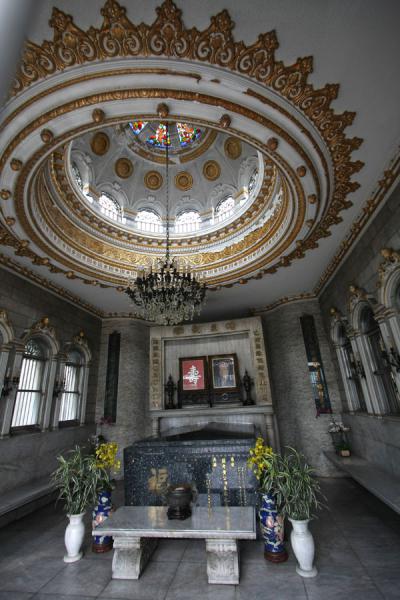
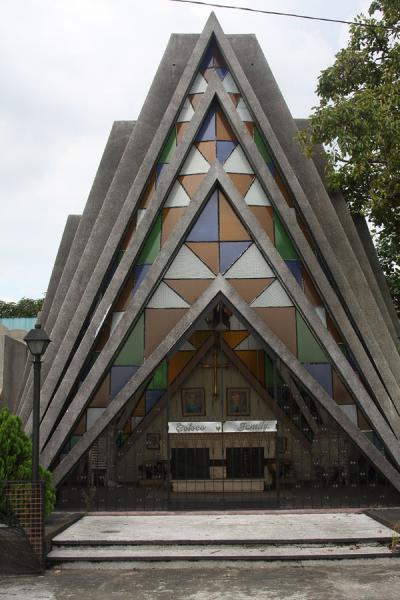
In the 19th century, the Spanish did not allow the Chinese to bury their dead in the catholic cemeteries of the city, so the Chinese were forced to establish their own cemetery. Ever since, it developed to a unique place for the dead, which apparently does not have a similar counterpart in mainland China. This vast area reflects the realities of real life, with luxurious buildings housing the rich, spacious houses the middle class, and walls with square graves the poor. But what makes this cemetery so interesting, is the fact that the dead are buried in fully functional houses with bathrooms, kitchens, bedrooms, and often air conditioning. In some cases, relatives even live in the same house as the dead.

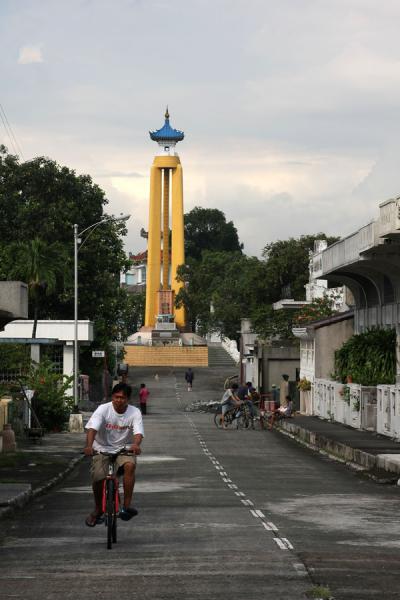
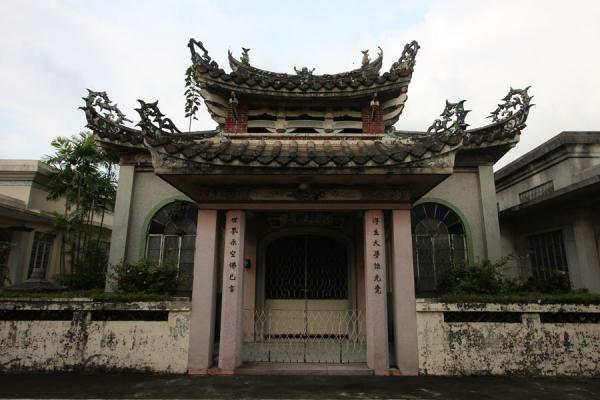
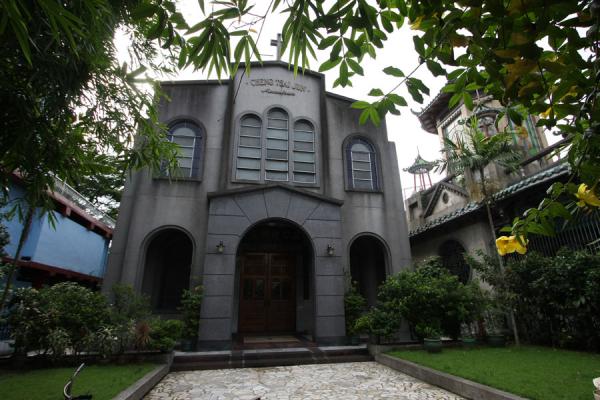
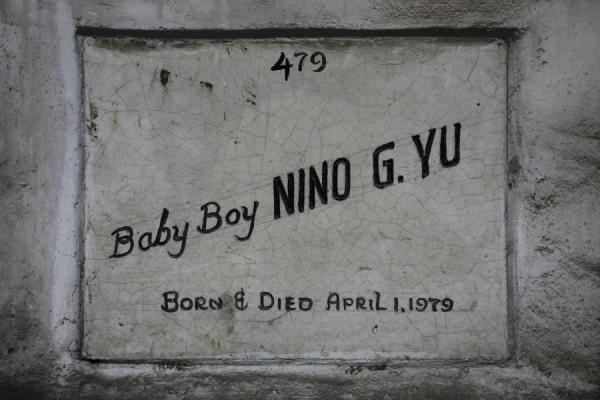
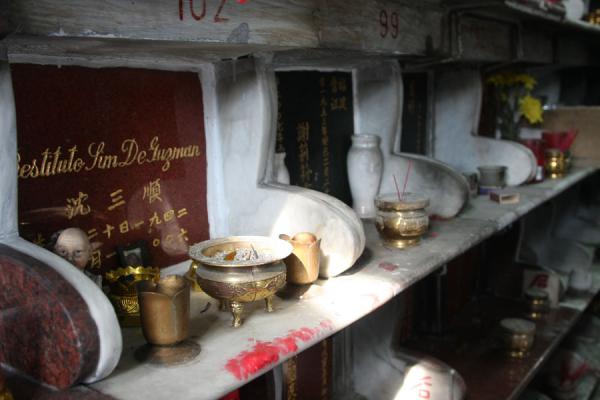
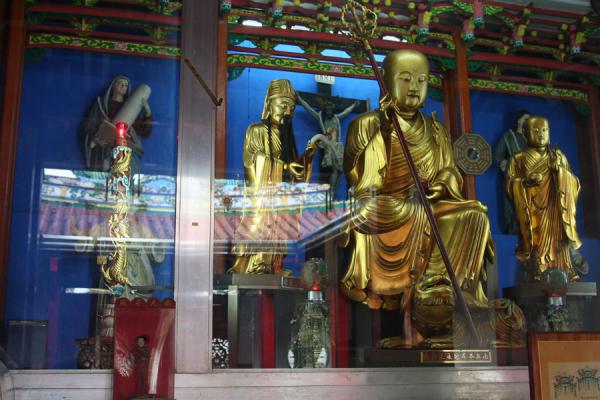
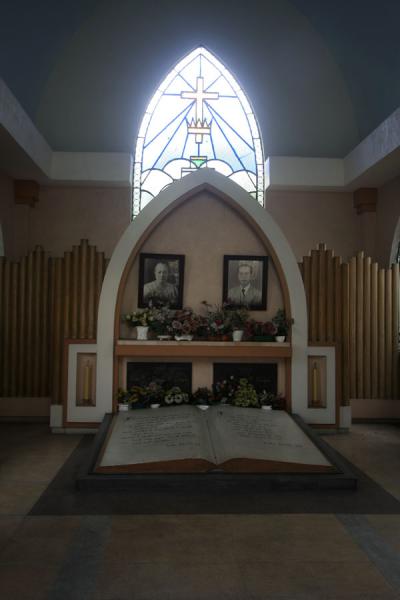
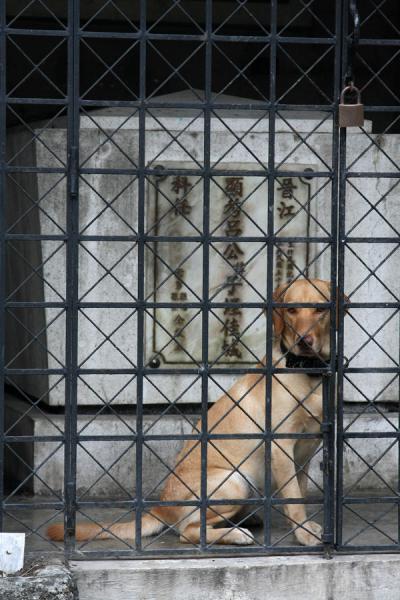
Although the tomb houses of the Chinese cemetery have front doors that are locked, you can peek inside. Normally, the ground floor contains the grave of the deceased, and behind, you can see the bathroom and the kitchen. Stairs lead upstairs to where relatives can sleep. There even is a mailbox in many houses for those who wish to share something about the dead with the family. On Sundays, and notably on All Saints Day, many Chinese come to their dead here, prepare lunch, have a drink, and play mahjong, always with one empty chair for the departed. Furthermore, I saw a temple in which Buddha and Jesus are present side by side. The cemetery was the site of heavy fighting and executions during World War II, and there are several memorials, as well as a mass grave, to commemorate those events. The Chinese here bury their babies separately from the family graves, and the wall where babies are buried makes for a sad read. There are alleys with rental tomb space, there are tomb houses with trees growing straight through the roof, there are old tombs with stone turtles - symbol of longevity. I even saw several tombs where the man and wife were already buried - but where a third space was still open, reserved for the lover of the man. Every tomb is unique, every tomb has its story to tell, and you can easily spend a lot of time exploring this fascinating Chinese cemetery.

Personal travel impressions both in words and images from Chinese cemetery (Philippines). Clicking on the pictures enlarges them and enables you to send the picture as a free e-card or download it for personal use, for instance, on your weblog. Or click on the map above to visit more places close to Chinese cemetery.
Read more about this site.