San Paolo fuori le Mura,
|
SearchSearch pages at Traveladventures.org Go directly to:Travel picturesYou can travel the world using images - select your preferred language below: MailinglistIf you want to be updated regularly about new stories and pictures: Google EarthClick your way around Italy with pictures (needs Google Earth software) Visual GeographyAdvertiseIt is possible to advertise on this travel site. Travel advertisers, ask for more information! SurveyIs there a difference between a traveler and a tourist? View Results Related search: |


Rome is the capital of Christianism and the capital of churches. There are churches large and small, world-famous and forgotten, ornate and simple. Obviously, St. Peter is the icon of Roman Catholicism; the second largest basilica is the St. Paul. Its complete name mentions its location: San Paolo fuori le Mura, or outside the walls. Indeed, it is a 20 minute walk from the old city walls to reach the place. The basilica was erected on the burial site of St Paul, destroyed several times, and rebuilt completely after the 1823 fire.
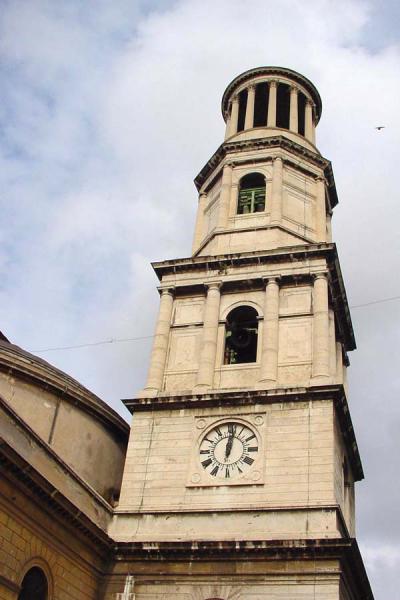
I entered the basilica from the side where the bell tower stands, and an immediate sensation of space overwhelmed me. The ceiling high above, the ornate apse on my right, I did feel small when advancing through the religious place. When I reached the apse, the nave opened on my left and increased my sensation of space. The last reconstruction restored the basilica as it had been in the 4th century, and the basilica gives you an idea of how an ancient Roman basilica must have been like.
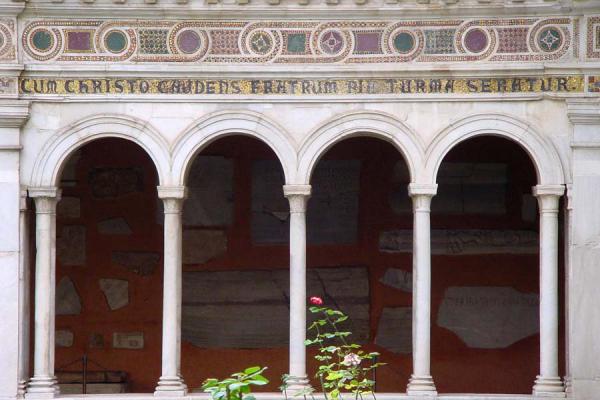
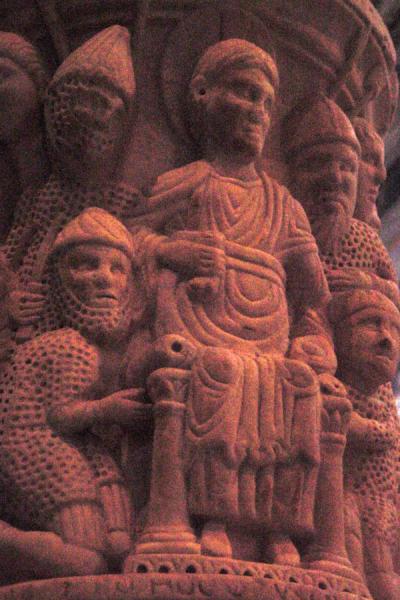
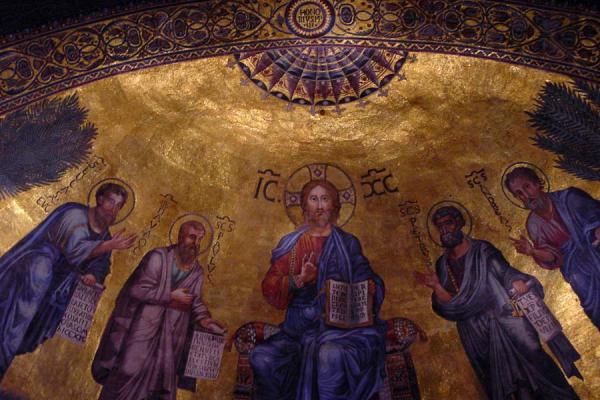
A few elements were saved and reused after the 1823 fire, like the paschal candlestick, the mosaics in the apse, the Holy Door. The latter was made in 1070, and depicts stages of Jezus' life. It is only opened in Jubilee years. The candlestick is a 5-meter high piece of art depicting Christ's passion, death and resurrection. The naves are decorated with mosaics of all popes (8 places available). In contrast with the enormous proportions of the basilica, is the cloister, a quiet outside corner in the complex, where you find flowers, the sound of a small water foutain, as well as spiralling columns adorned with mosaics.


