Bucharest architecture,
|
Romania
Bucharest architectureVisited: March 2007 and several times before More pictures of Bucharest architecture:These pictures have been tagged with the following tags (clicking on the tag will take you to all pictures on this site with that tag) blue Bucharest Bucharest architecture building Europe green Romania ruins trees cupola house street black detail grey window statue brown modern theatre car columns gold yellowSearchSearch pages at Traveladventures.org Go directly to:Travel picturesYou can travel the world using images - select your preferred language below: MailinglistIf you want to be updated regularly about new stories and pictures: Google EarthClick your way around Romania with pictures (needs Google Earth software) Visual GeographyAdvertiseIt is possible to advertise on this travel site. Travel advertisers, ask for more information! SurveyIs there a difference between a traveler and a tourist? View Results Related search: |


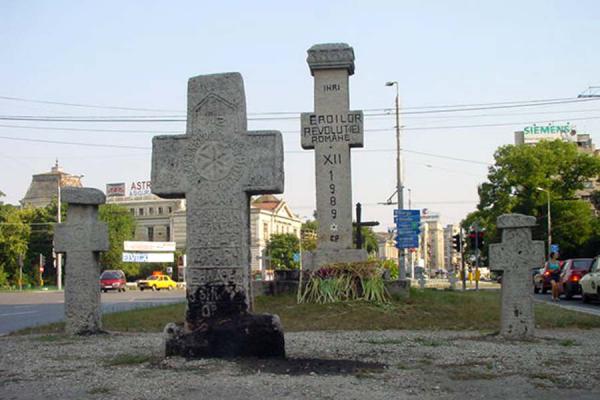
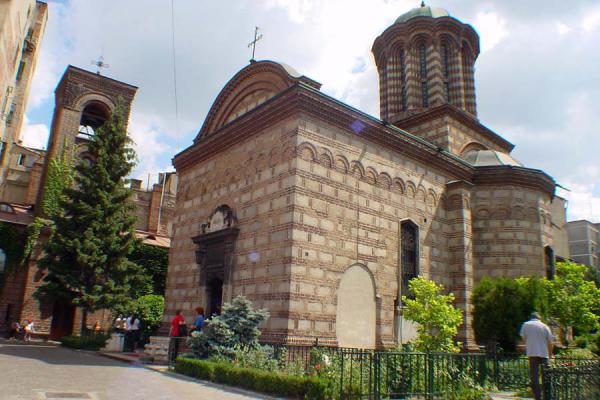
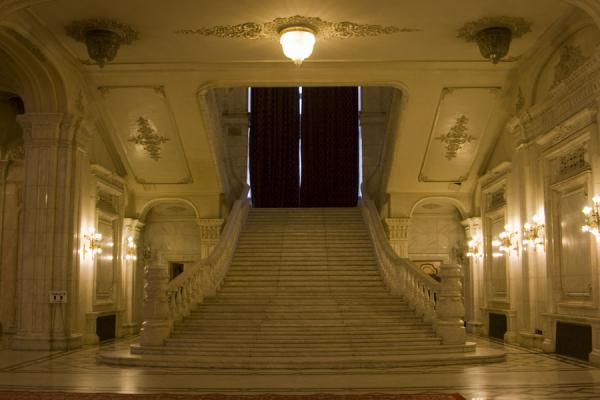
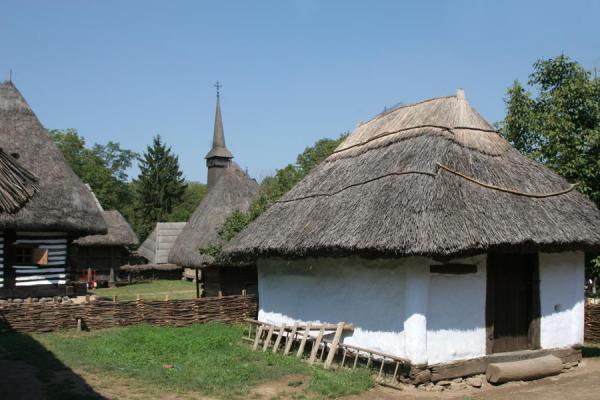
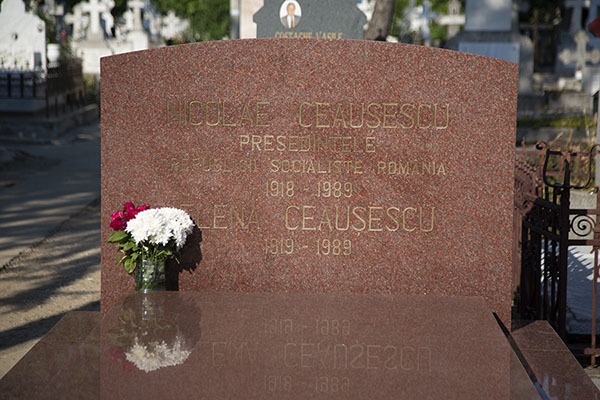
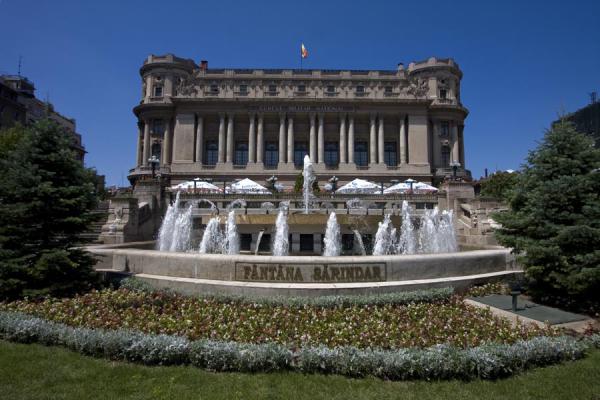
Bucharest once used to be called Paris of Eastern Europe, and although it has lost most of its grandeur, if you look well enough it is still possible to find proof of lost glory. Culprit of the devastation of many displays of typical Romanian architecture and churches is, of course, former leader Ceaușescu. And while walking around the city, it is almost impossible not to see also the marks he left.
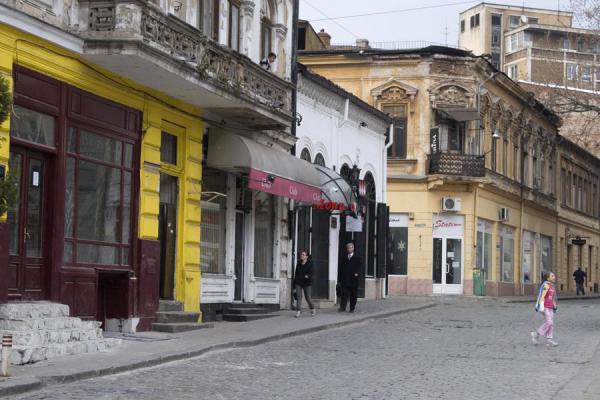
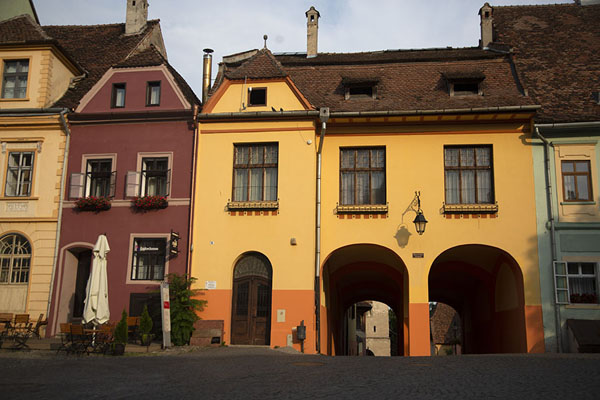
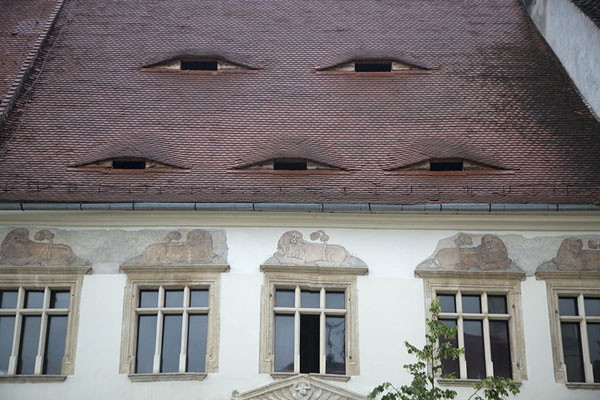
Looked at separately, some buildings did remind me of Paris. Walking around narrow streets in the city centre, with cobble stones, few cars and small shops, it can become a game to spot another building with sculptures, with a particular roof with dormers, with decorated window panes. And at the same time, it can become possible to see that building overshadowed by a modern, steel-and-glass office building of the new era. During my last visit, I noticed that the ruins of the former building of the infamous Securitate, the Romanian secret police, had been superseded by a modern building with its base in the ruins of the old one.
While taking pictures of such an old building with a modern one on the background, I was actually stopped by a soldier who made it very clear that I was engaging in an illegal operation, even though it was not even clear what function the building had. It turned out to be the ministry of Interior. I was almost pushed away in quite a brutal way, and was reminded of how long it will take the country to change mentality. This can only partly be polished away by the cosmetic changes in the city's street image.